Target layerL1 · EpidermisEpidermis
- Duration
- 10-40 minutes depending on area
- Recommended sessions
- Hair removal: about 5 sessions at 4-8 week intervals; toning: 2-4 week intervals
- Downtime
- Immediate return to daily life
Dr. Kim Tae-hoon, Medical Director · Reviewed by our medical director
Board-certified dermatologist · review date to be posted
Hair removal requires multiple sessions because of the hair growth cycle, and fine vellus hairs respond only partially.
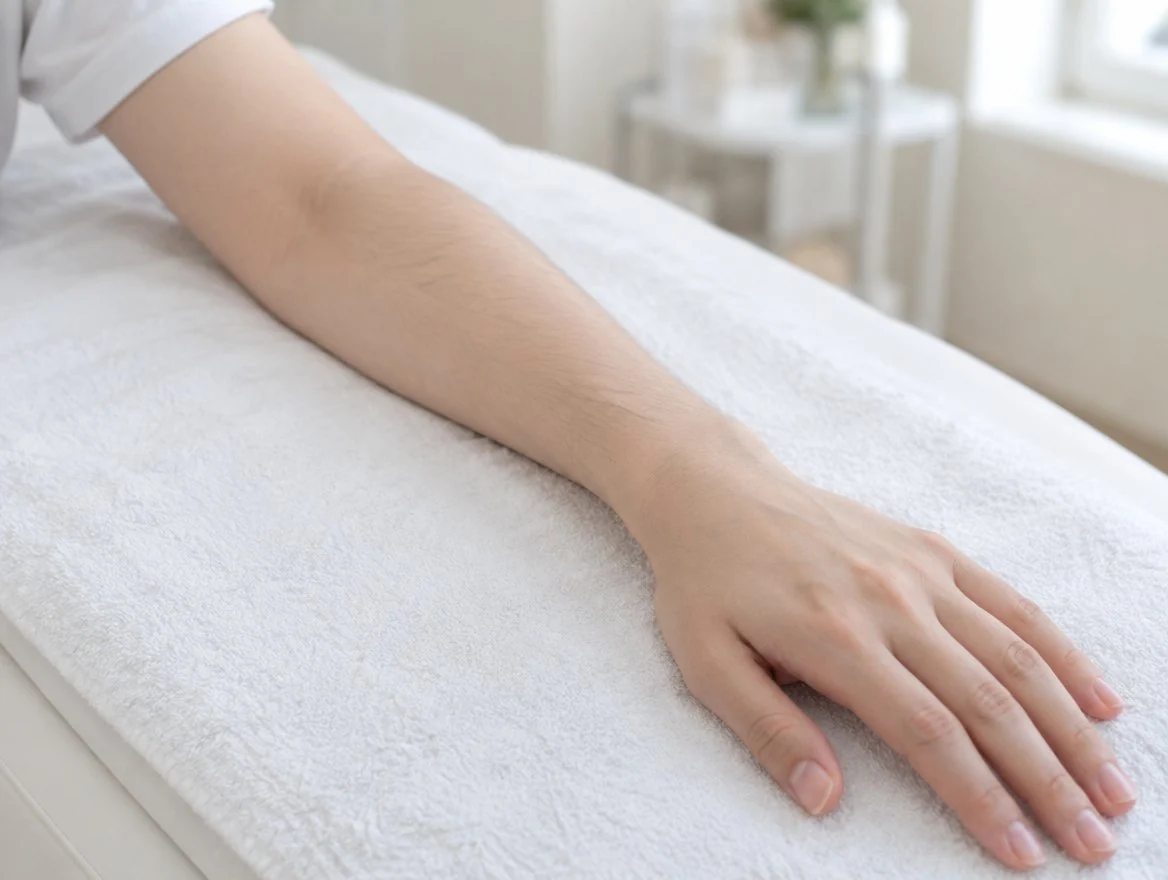
01Overview
GentleMax Pro Dual wavelengths, wide range: hair removal, toning, and redness
GentleMax Pro is a laser equipped with two wavelengths: a 755nm alexandrite and a 1064nm Nd:YAG.
- Duration
- 10-40 minutes depending on area
- Recommended sessions
- Hair removal: about 5 sessions at 4-8 week intervals; toning: 2-4 week intervals
- Downtime
- Immediate return to daily life
- How long it lasts
- Hair removal: long-lasting after completing the course (individual results vary)
02What to expect
Changes over time
By exploiting how these wavelengths are absorbed by melanin and hemoglobin, it serves hair removal, pigment toning, and redness reduction alike.
 01
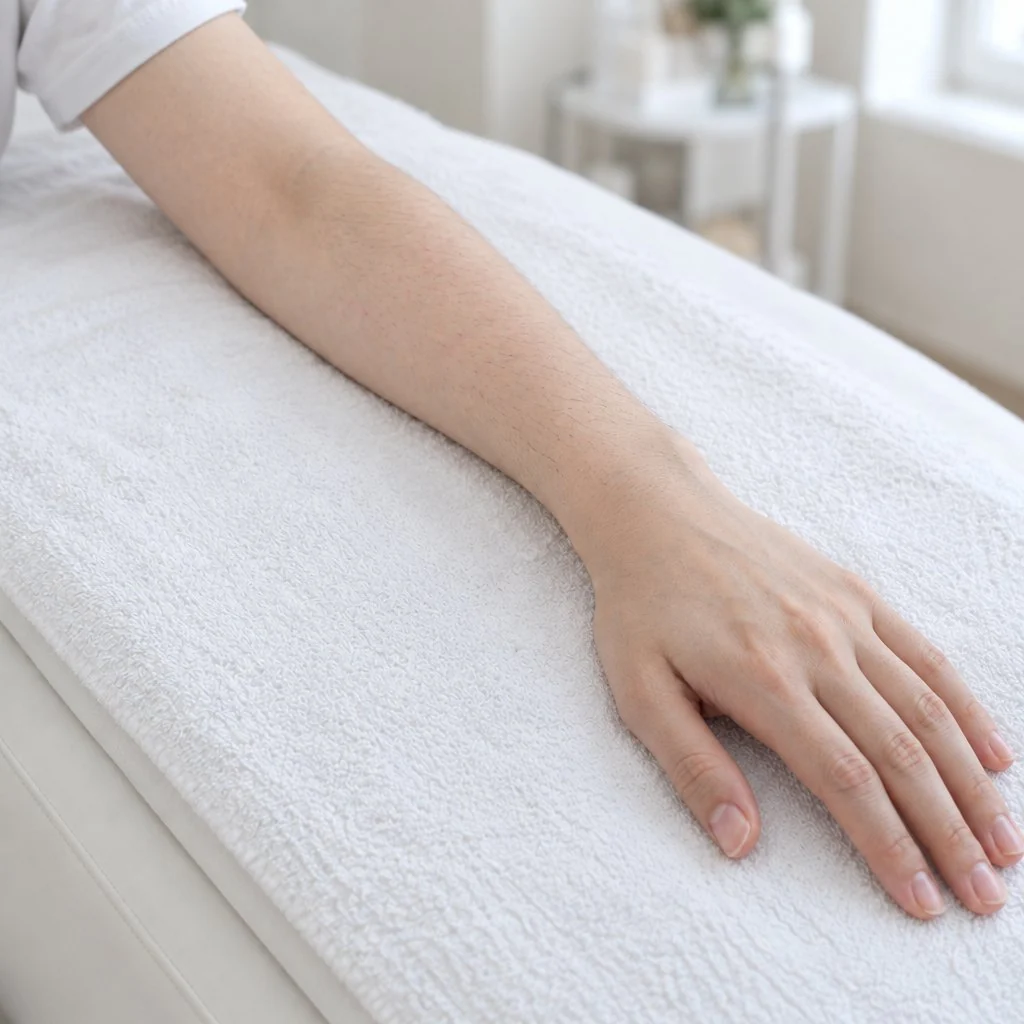
01Right after treatment
Swelling and redness around the follicles are possible and mostly settle the same day.
 02
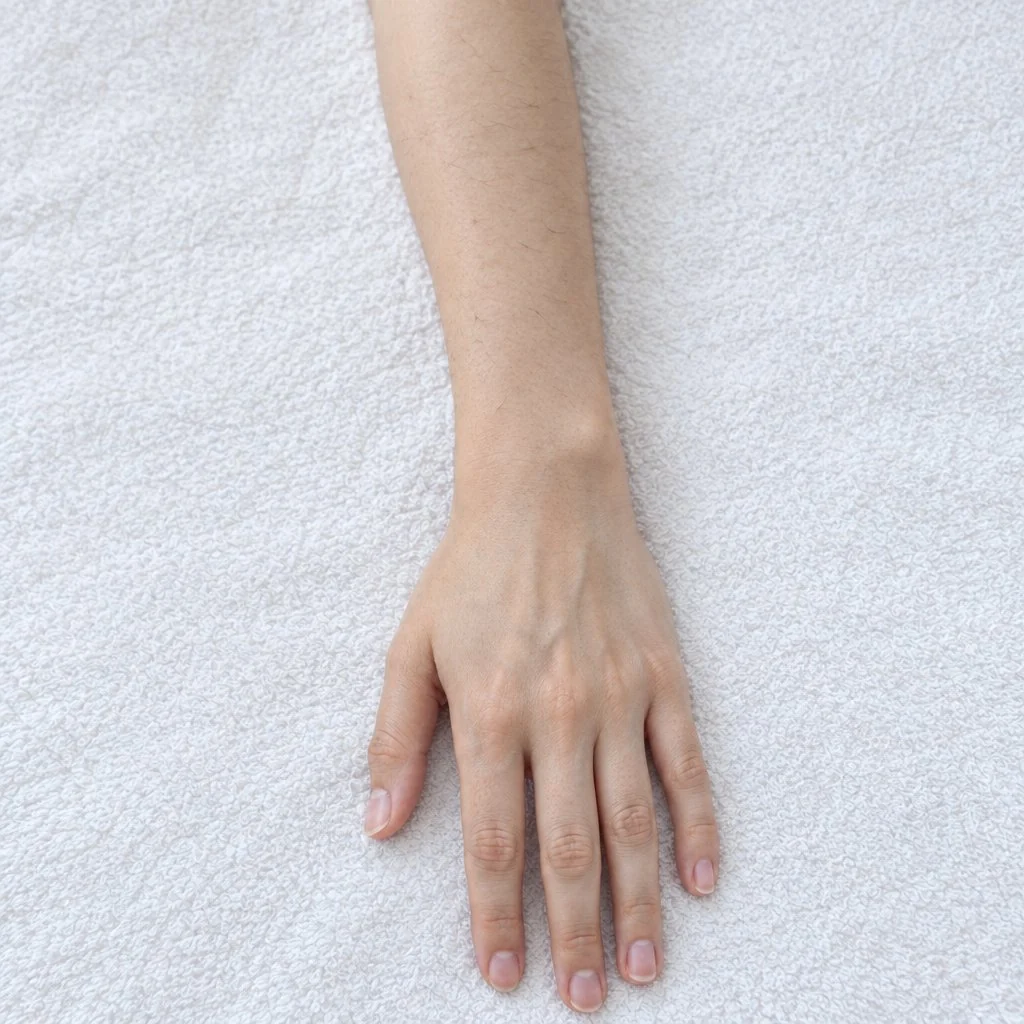
021–3 weeks
The window in which treated hair gradually sheds.
 03
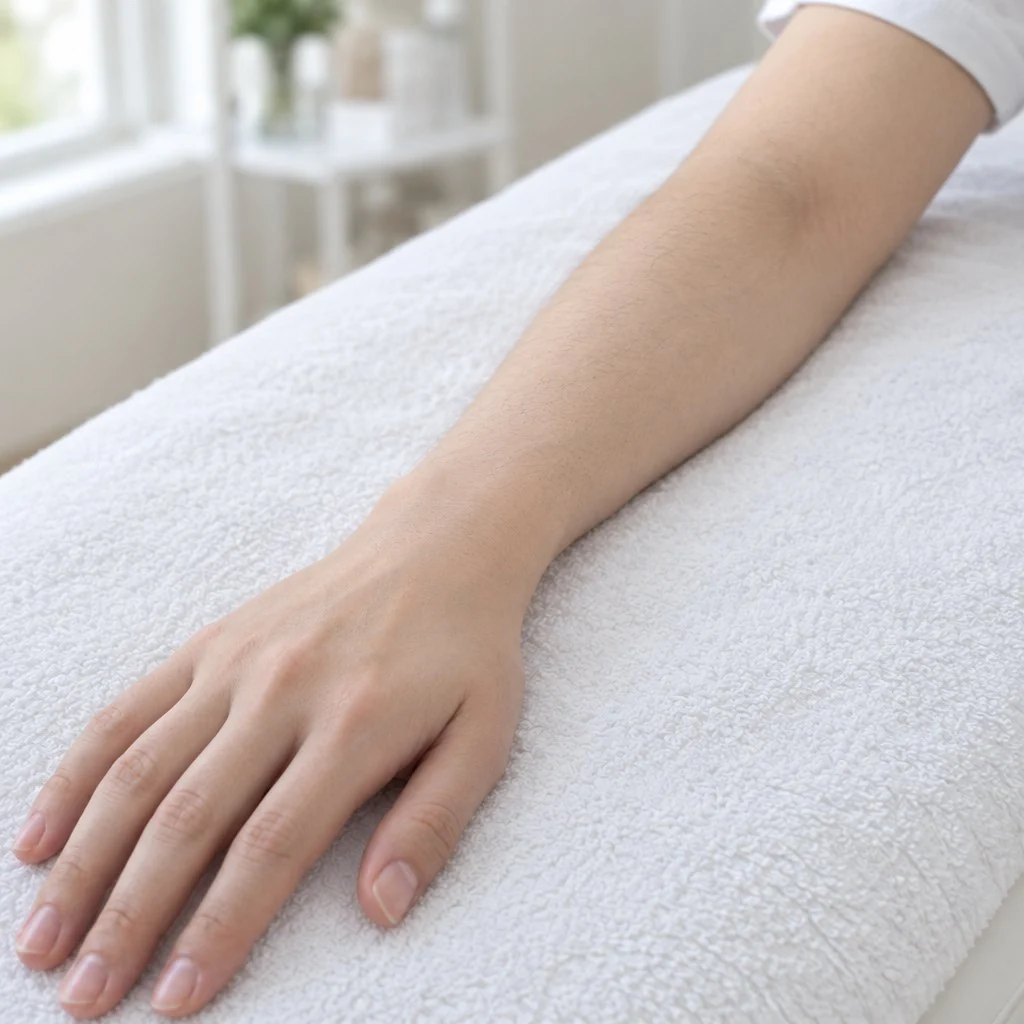
03Every 4–8 weeks
The next session follows the hair growth cycle. Around five sessions is the usual starting point.
 04
04Maintenance
Fine hair and hormonal factors may make reinforcement necessary.
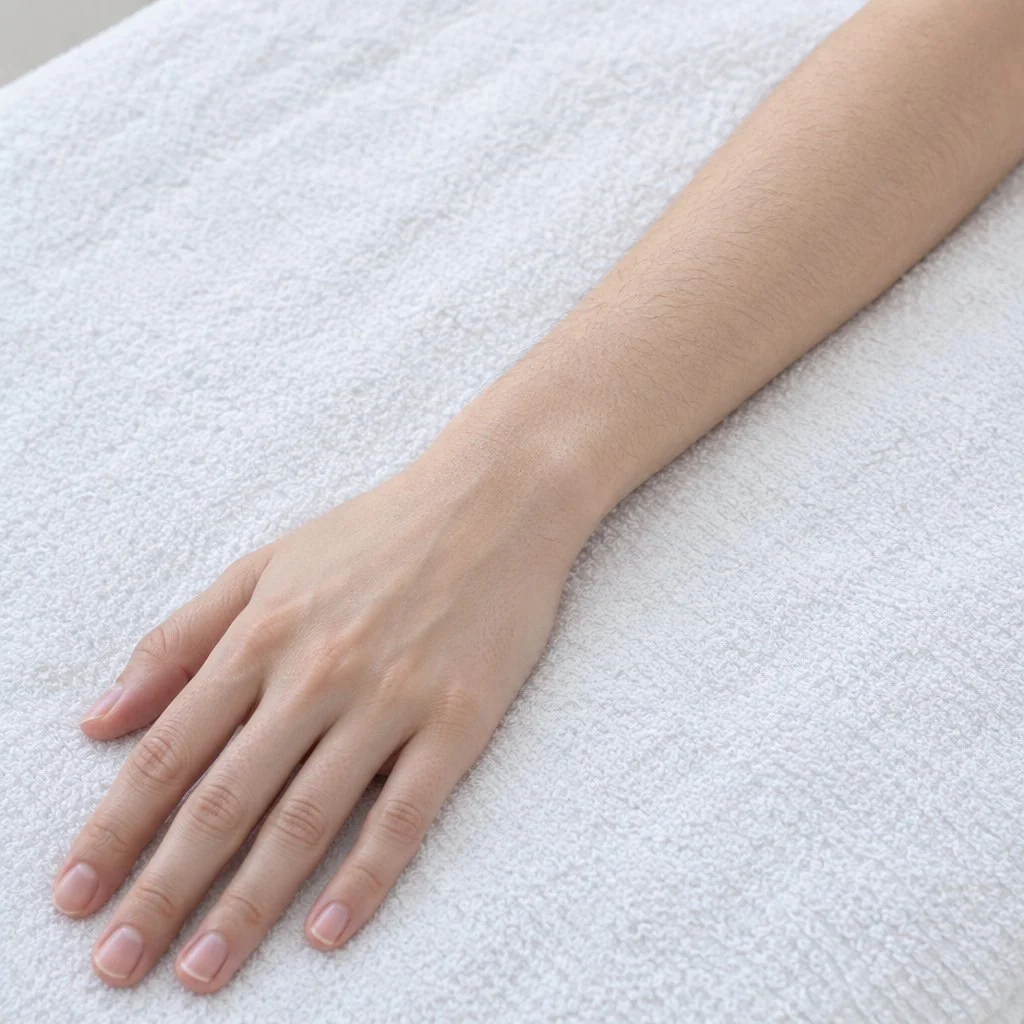
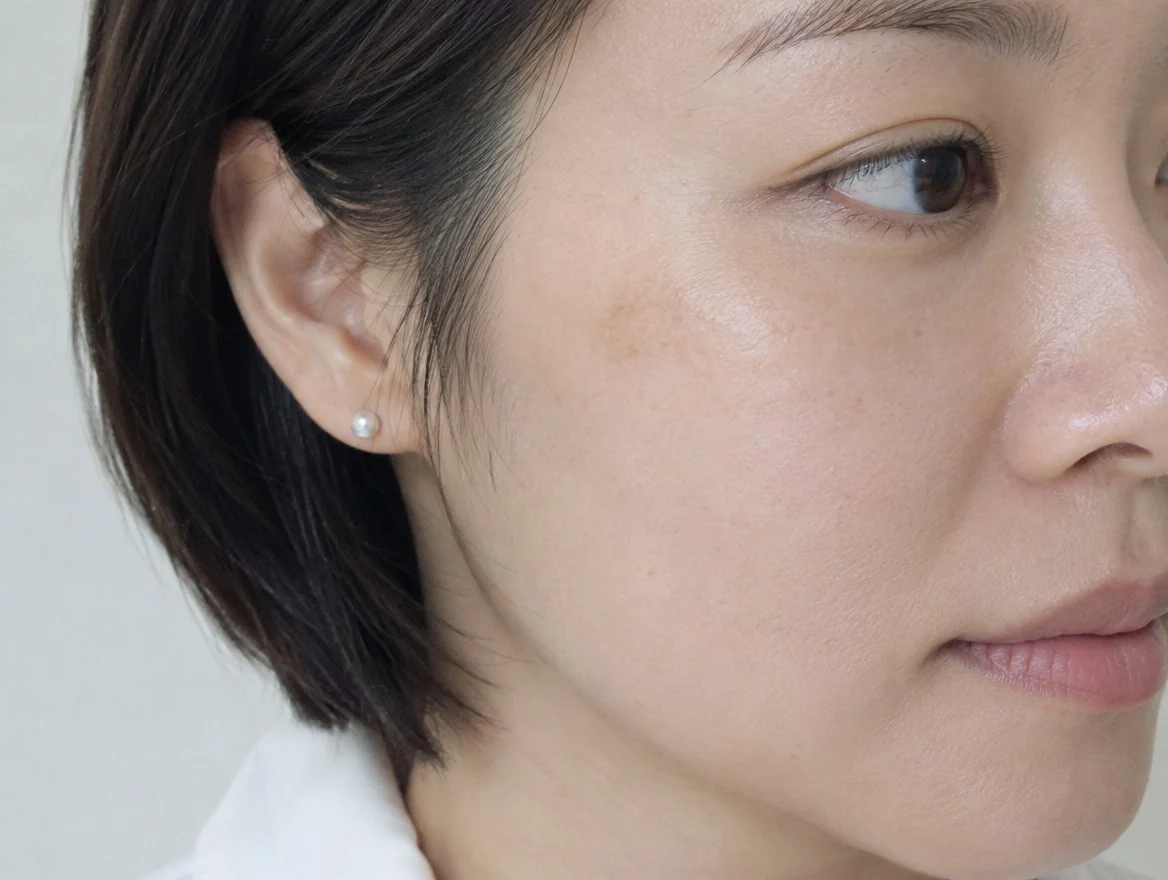
These images were generated with AI. They are not photographs of patients and do not show treatment results; they illustrate the recovery process. The actual course varies from person to person.
03Device & Technology
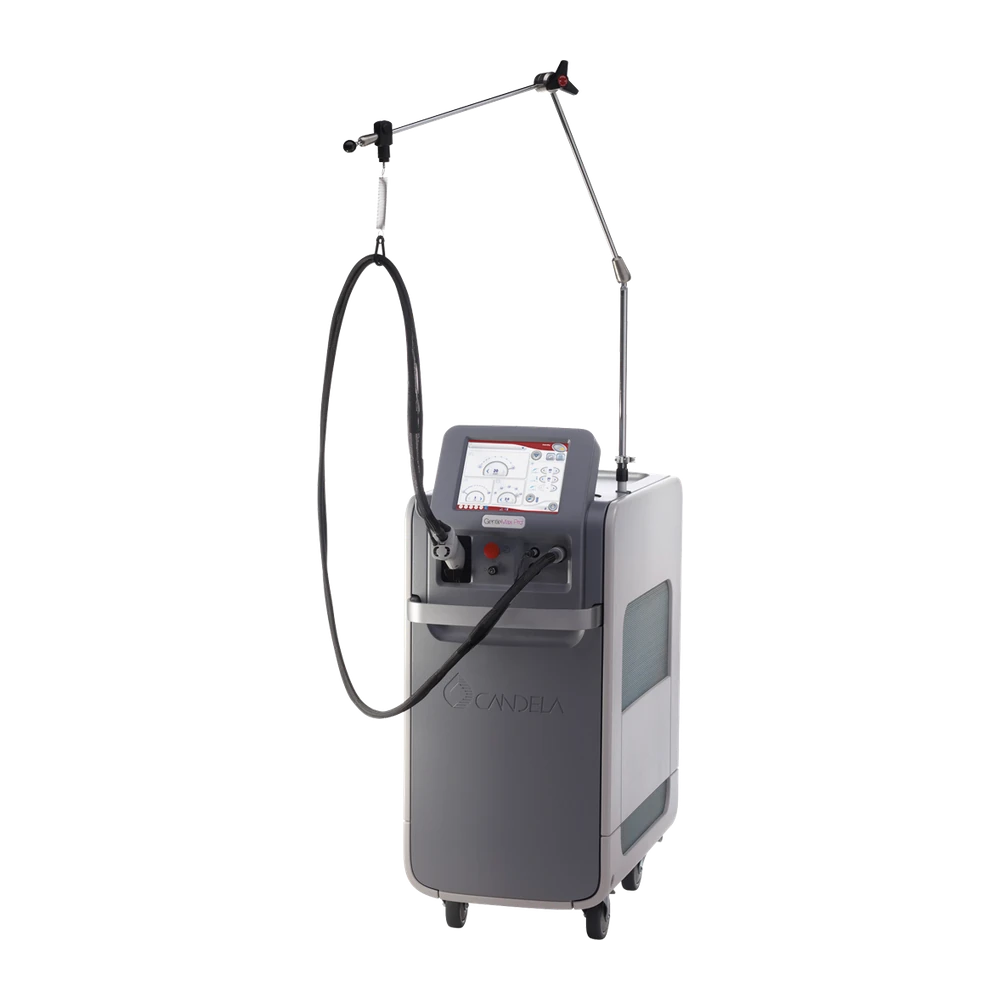
GentleMax Pro Device
Candela (USA) · FDA cleared · MFDS (Korean FDA) approved
Dual wavelength
755 nm alexandrite and 1064 nm Nd:YAG are selected according to skin tone and hair.
DCD cooling
A cryogen spray protects the epidermis, lowering discomfort and the risk of burns.
04Procedure
How your visit goes
 01
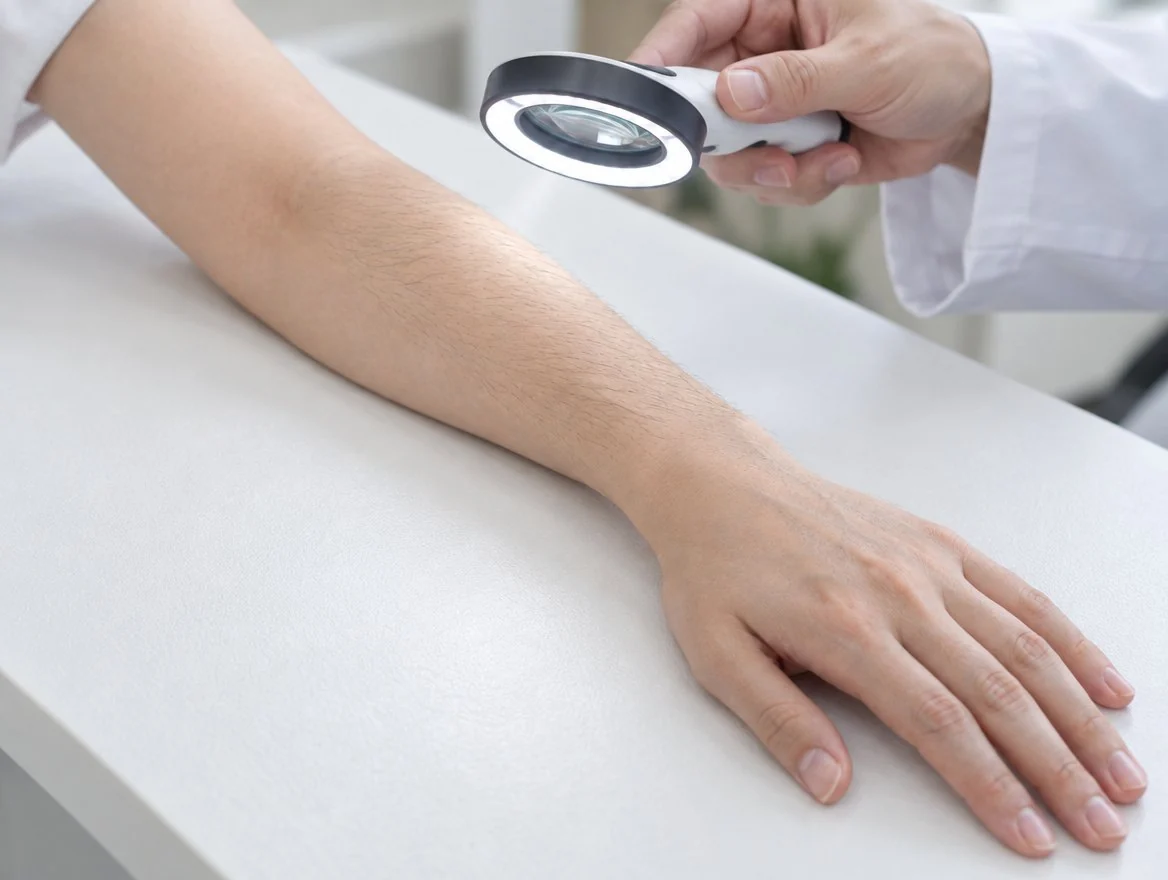
01Specialist diagnosis
Hair thickness and skin tone, or the lesion, are assessed.
 02
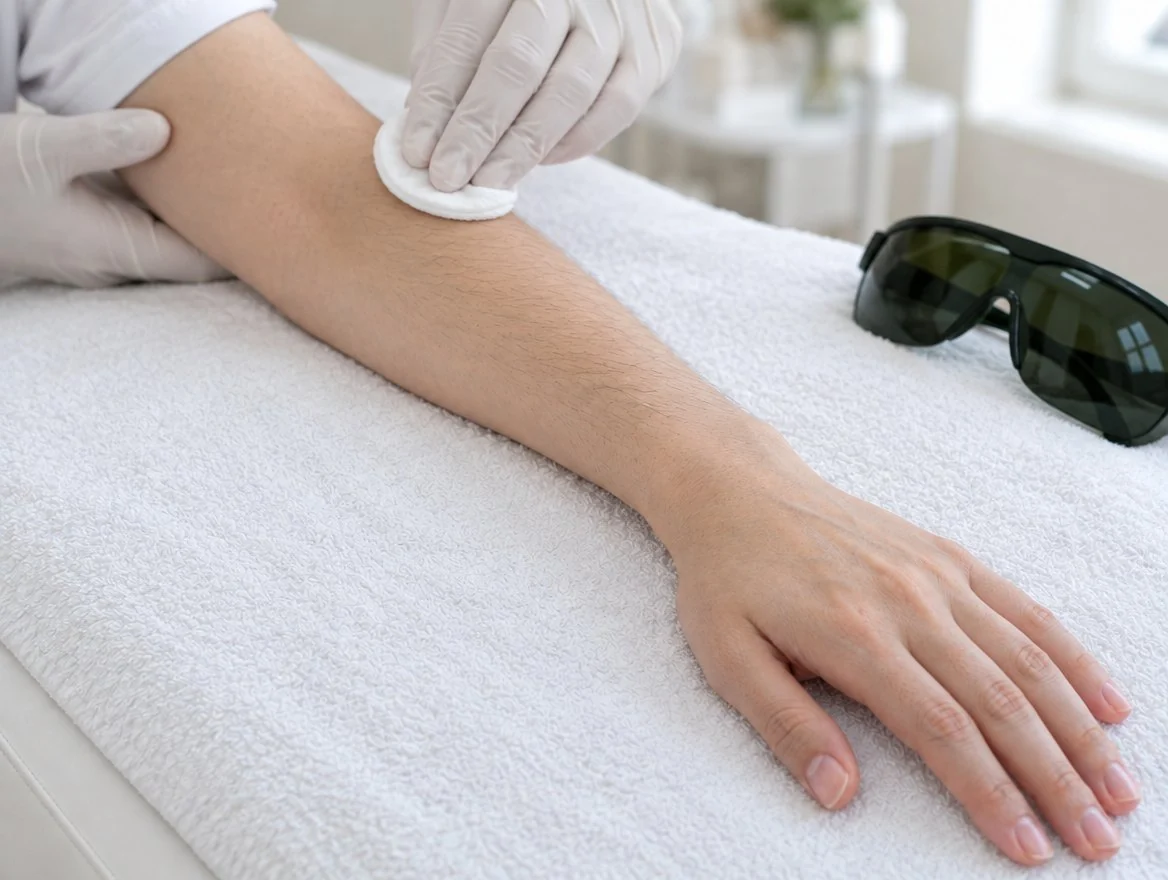
02Wavelength and settings
755nm or 1064nm and energy are set per area.
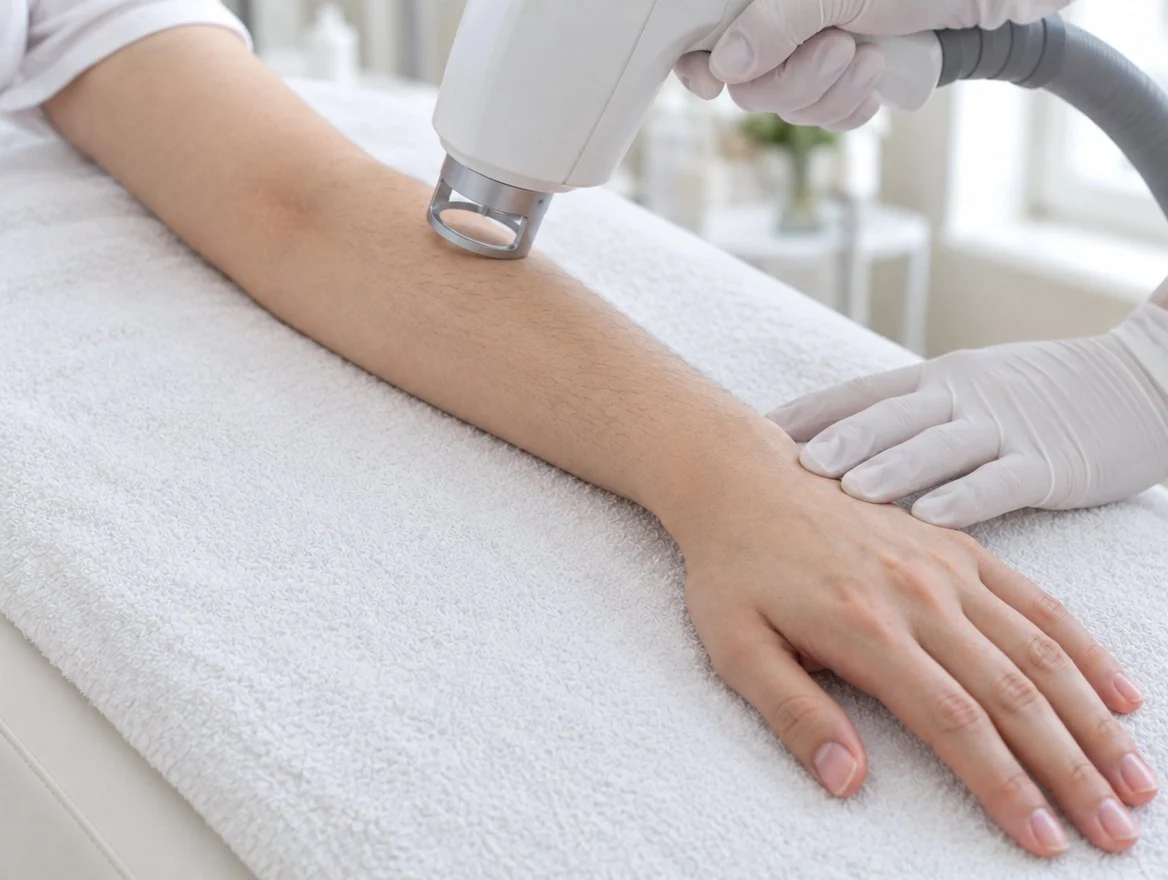 03
03Treatment
Performed with active cooling.
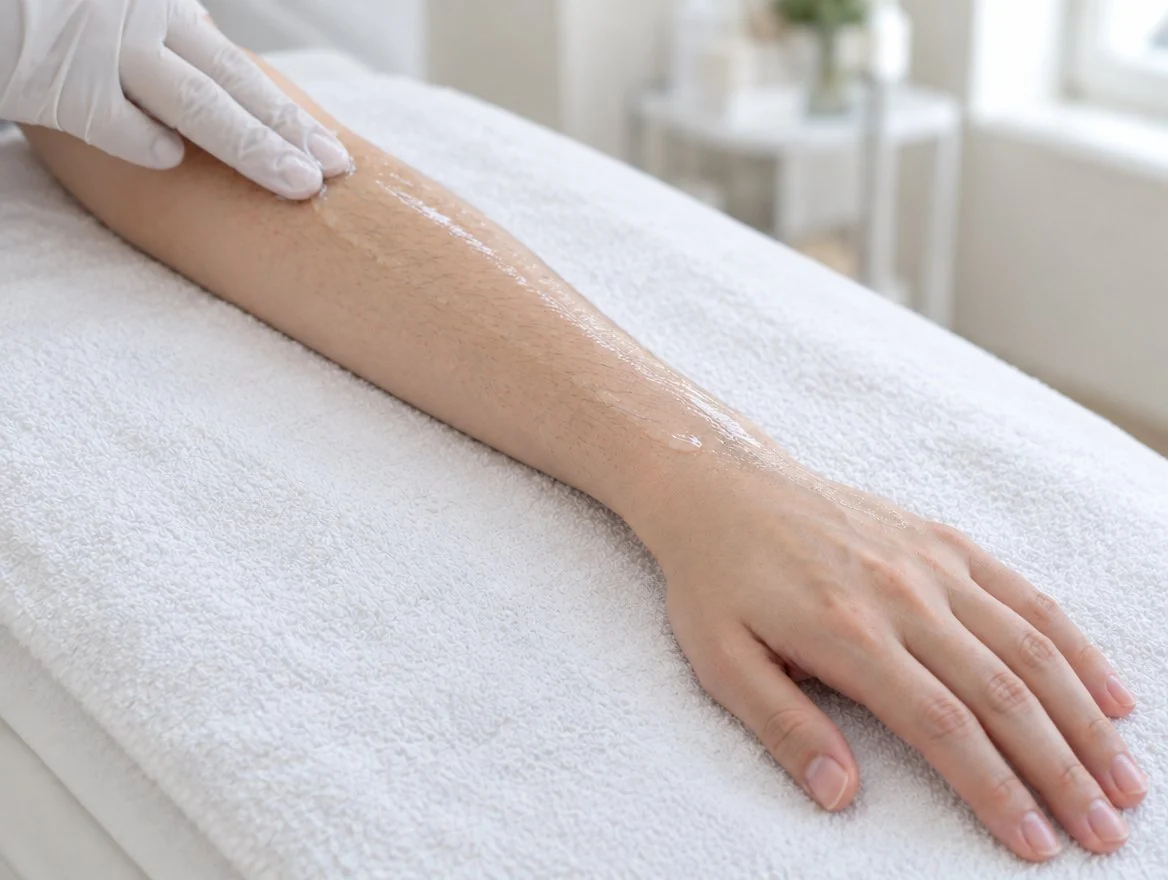 04
04Aftercare
Guidance on moisturizing and sun protection.
Every procedure is performed directly by a board-certified dermatologist.
05Before / After
Before & After
Clinical photos. Results vary with skin condition, age and treatment plan. Before-and-after photos are published with the patient's written consent, taken under identical conditions (lighting, angle) and never retouched. Results vary by individual.
06Aftercare
Recovery & care
- 01
Day of treatment
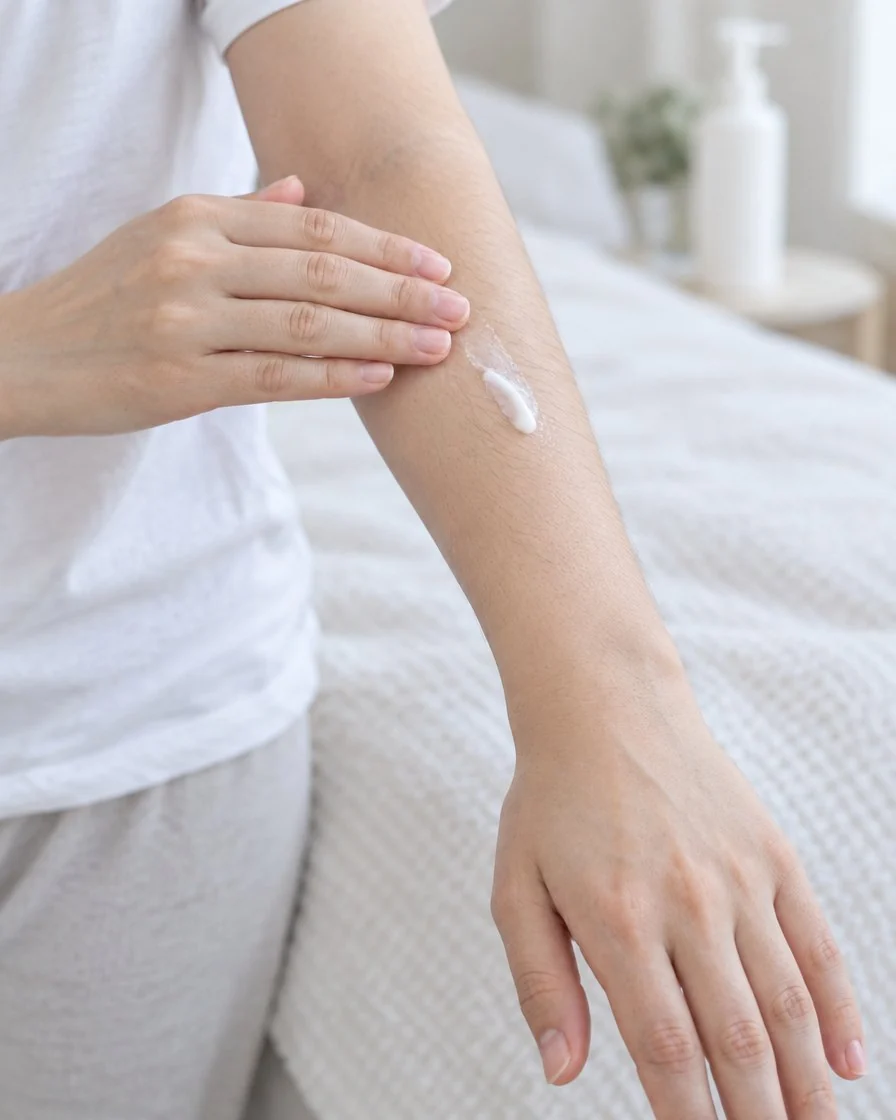
Mild redness and stinging are possible. Do not rub — cleanse gently and moisturise well.
- 02
Crusting and flaking
After hair removal, avoid waxing and plucking — use shaving only.
- 03
1–4 weeks
Sun protection decides the result. Apply SPF 30 or higher daily, and reapply every two hours outdoors.
- 04
Follow-up
Intervals and whether to continue are adjusted as we watch your response.
07FAQ
Frequently asked questions
What kind of laser is GentleMax Pro?
GentleMax Pro is a laser with two wavelengths: a 755nm alexandrite and a 1064nm Nd:YAG. Using how these wavelengths are absorbed by melanin and hemoglobin, it is used for hair removal, pigment toning, and reducing redness. During treatment, a dynamic cooling device (DCD) protects the epidermis, lowering discomfort and the risk of burns.
Which concerns is GentleMax Pro used for?
It is mainly used for medical hair removal on areas such as the underarms and legs. It is also used to manage sun spots or uneven tone with toning, or to manage redness and pigment together. The wavelength and settings differ by goal, so we first confirm your concern at consultation.
How do you choose between the two wavelengths? Does it depend on skin tone?
Yes, we choose between 755nm and 1064nm based on your skin tone, hair thickness, and lesion condition, and set the energy for each area. Settings may differ from person to person even for the same area. If you have recently tanned or had a lot of sun exposure, the risk of pigmentation may be higher, so we sometimes adjust the timing of treatment.
How many hair removal sessions do I need?
Matched to the hair growth cycle, we typically recommend about 5 sessions at 4-8 week intervals as a baseline, varying with the area and hair condition. Fine vellus hair shows a limited response to laser, so results may differ even with the same number of sessions. Depending on factors such as hormones, additional sessions may be needed after completing the course.
Does hair removal hurt? How long does it take?
Pain is low to moderate, and treatment proceeds with cooling spray to ease it. Most people have it without anesthesia, and numbing cream is sometimes used for sensitive areas. The treatment takes about 10-40 minutes depending on the area.
When does the hair fall out, and can I return to daily life right away?
You can return to daily life right after treatment. The skin around hair follicles may swell or redden, but this mostly settles the same day. Hair in the treated area falls out gradually over 1-3 weeks.
How should I care for my skin during the hair removal course?
Between sessions, avoid waxing or tweezing and use shaving instead. Do not rub the treated area, moisturize well, and apply sunscreen consistently. Tanning can affect your next session, so we advise avoiding it.
Can I have hair removal in summer?
Yes. However, you need to avoid sun exposure and tanning before and after treatment. If you will be doing a lot of outdoor activities, let us know your schedule at consultation and we will adjust the timing of treatment together.
Can I have toning and hair removal on the same day?
Usually yes, as long as the areas do not overlap. We plan the schedule and sequence with you at your visit. Depending on your skin condition, the order or interval may be changed.
How is it different from PicoWay toning or Vbeam?
Their uses and targets differ. GentleMax Pro covers a wide range of uses with two wavelengths (hair removal, toning, and redness reduction), while PicoWay focuses on breaking up pigment and tattoo ink with picosecond pulses. Vbeam is a vascular laser that targets dilated blood vessels at a 595nm wavelength, so for flushing with visible capillaries, Vbeam is sometimes considered as well.
Are there side effects, or cases where treatment is difficult?
Temporary redness or swelling around hair follicles may occur after treatment. Treatment may be postponed or adjusted if you have recently had strong UV exposure or tanning, are taking photosensitizing medication, are pregnant, or have a wound or infection in the treatment area. If any of these apply, be sure to tell us at your visit.
How can I get a hair removal consultation in Haeundae, Busan? Can I find out the cost?
Grays Dermatology is located at L Tower 10F, 6 Jwadongsunhwan-ro, Haeundae-gu, Busan (near Jung-dong Station on Busan Metro Line 2), and you can book via Naver Booking, our KakaoTalk channel, or phone (+82-51-710-1891); consultations are also available via LINE. The cost depends on the areas and session plan, so it is confirmed after consultation. General reference prices can be found on the price list on our website.
Fees
Pricing depends on area and session package, and is confirmed after consultation.
See the fee schedule →References 5
- Approval: GentleMax Pro · FDA cleared · MFDS (Korean FDA) approved
- Manufacturer: Candela (USA)
- Korea MFDS medical device registry — searchable by approval number
- Korean Dermatological Association — specialist credential lookup
- Reviewed by: Dr. Kim Tae-hoon, Medical Director
⚠ Cautions & contraindications
- —Active infection or an open wound in the treatment area
- —Recent strong sun exposure or tanning (raises the risk of pigmentation)
- —A photosensitivity disorder, or taking photosensitising medication
- —Pregnancy (not recommended — safety data are insufficient)
Summary & comparison
| Treatment | Target layer | Main change | Duration | How long it lasts | Downtime |
|---|---|---|---|---|---|
| GentleMax Pro ← | L1 Epidermis | Dual wavelengths, wide range: hair removal, toning, and redness | 10-40 minutes depending on area | Hair removal: long-lasting after completing the course (individual results vary) | Immediate return to daily life |
| PicoWay / PicoWay Resolve | L1 Epidermis | A picosecond laser that shatters pigment into fine particles | 10-30 minutes | Builds over a course of sessions — maintenance needed | Toning: immediate return; spot and tattoo removal: small scabs for a few days |
| StarWalker MaQX | L1 Epidermis | A high-power laser platform for hard-to-treat pigment | 10-30 minutes | Builds over sessions — varies by lesion | Scabbing and redness for a few days when treating lesions |
| Spot Clear | — | Combination treatment that diagnoses pigmented lesions and assigns a laser to each | Advised after consultation, depending on the number of lesions and coverage | Varies by lesion — recurrence or new lesions possible | Scabs and erythema at lesion sites for a few days to 1 week (varies by device and lesion) |
Treatments used for the same concern, placed side by side. Which one fits is decided in consultation after the layer is identified.
Reviewed byDr. Kim Tae-hoon, Medical Director · Board-certified dermatologist · review date to be posted
Aftercare
Draft — pending medical director's reviewPigment · redness lasers
Pigment often darkens before it fades and flakes off. Getting through this phase and protecting the skin from the sun decide the result.
Recovery course
- Day of treatmentStinging and redness are expected. Focus on soothing and moisturising.
- Days 2–7Spots or melasma may darken and fine crusts may form. Do not pick them — let them fall off naturally.
- Weeks 1–2Crusts fall off and the colour lightens. Sun exposure on these areas can bring the pigment back.
- Between sessionsToning is usually repeated every 2–4 weeks; spot removal is decided according to progress.
Avoid during this period
- Sun exposure — throughout recovery; apply sunscreen daily
- Picking crusts
- Exfoliating or whitening products on your own — for 1 week
Contact the clinic if
- The area where a crust fell off stays white or dark and spreads
- Weeping or swelling appears
Next session · next visitPigment rarely clears in one session. The number of sessions and interval are decided at consultation.
Individual recovery varies. If it differs from what you expected, do not judge on your own — please contact the clinic. Tel +82-51-710-1891
View all aftercare →Related treatments

Evidence & comparison guides
Melasma, Freckles, Seborrheic Keratoses, and Lentigines: Telling Them Apart and Choosing a Laser →
Though they may look similar, melasma, freckles and seborrheic keratoses, lentigines, and nevus of Ota are distinct diagnoses that differ in depth and character. Identifying the lesion comes first and choosing the laser second — and above all, melasma is not a lesion to blast away but one to lighten and manage over time. That principle is the starting point of any treatment plan.
Facial Flushing: How Much Can Laser Treatment Really Help? →
To be honest with you: facial flushing is not a condition lasers 'eliminate' — it is one they reduce and keep down. A vascular laser (Vbeam) is effective at shrinking dilated vessels and lowering how often and how intensely you flush, but as long as constitutional and lifestyle factors remain, it can recur — so the right mindset is ongoing management.
People and scenes shown are AI-generated for illustration. They are not actual patients, staff, our clinic, or treatment results.
Next step
Wondering if this treatment fits you?
Leave your main concern and request a consultation. Suitability, schedule and fees are confirmed at your consultation.